Why Is My LED Light Suddenly Dim?
⚡ Quick Fix First:
If your LED light has suddenly dimmed, it’s usually caused by a voltage issue, circuit overload, heat, poor connections, or simply cheap LED bulbs. Scroll below for how to fix it.
5 Reasons Your LED Might Be Fading (and What to Do)
LED lights are supposed to last “forever”but sometimes, they don’t even last the season. Whether it’s your kitchen downlight, garden feature light, or a festive string of Christmas LEDs, sudden dimming is frustrating, and common.
In this updated guide, we’ll break down the most likely reasons your LED has gone dim, plus how to troubleshoot it safely and effectively.

1. Voltage Drops, A Common Cause of Sudden Dimming
The #1 reason LED lights suddenly dim is voltage drop. If the voltage reaching the light fitting drops below the LED’s rated requirement, brightness will instantly decrease.
Why does this happen?
- Temporary grid issues
- Overloaded local circuits
- Long wiring distances with thin cables
- Faulty switchboards or connections
Voltage drops are particularly problematic with cheap LED lights, which often lack proper voltage regulation and are more sensitive to minor fluctuations.
2. Overloaded Circuits (Especially in Older Homes)
Adding too many appliances or devices to the same circuit can overwhelm your power supply.
Your circuit can’t keep up, and as voltage is shared across devices, lights begin to dim, especially sensitive LEDs.
This is more likely in older homes that weren’t built for today’s power-hungry tech.
Overloaded circuits are a common cause of:
- Flickering
- Buzzing switches
- Dim lights (especially cheap LEDs which lack built-in protection.)
3. Loose Connections or Damaged Wiring
Loose fittings or aging cables lead to unreliable power delivery. If your light flickers and dims when you move a switch or device, this could be the cause.
Check for:
- Loose bulb seating
- Flickering at the wall switch
- Burn marks, discoloration, or buzzing
Important: Many cheaper LED lights use thin or poor-quality internal wires, which are more likely to fail under heat or movement.
Also Read: Keep Your Pets Safe Around Electricity
4. Overheating, A Silent LED Killer
While LEDs produce less heat than incandescent bulbs, they still need proper heat dissipation. If they overheat, they auto-dim to protect themselves.
Overheating can happen due to:
- Enclosed fittings
- Faulty heat sinks (especially in budget lights)
- High ambient temperatures
- Poor air circulation
If your LED housing feels hot to the touch, it’s likely overheating.
This is a big issue with cheap, unventilated LED downlights or garden lights installed in direct sunlight without thermal protection.

5. Lumen Depreciation, LEDs Naturally Fade Over Time
Even high-quality LEDs dim slowly over thousands of hours. This is called lumen depreciation. Good LEDs retain 70-90% of their brightness after ~50,000 hours.
Cheap LED products, on the other hand, might fade after just 5,000-10,000 hours and often dim unevenly.
If the light is:
- A budget product …then it might just be reaching its end.
- A few years old
- Used heavily
Why Cheap LED Lights Don’t Last
Especially around the holidays, cheap LED lights flood the market, in string lights, downlights, garden features, and more.
The risks?
- Inconsistent voltage tolerance: prone to dimming
- Poor heat management: higher risk of overheating
- Low-grade drivers: can’t regulate current properly
- No weatherproofing: not rated for outdoor use
Holiday Tip: If you’re buying LED Christmas lights, look for:
- IP65+ waterproof rating
- Certified compliance marks (e.g. RCM)
- Brand reputation (not bargain bin mystery brands)
Buying cheap lights might save you money upfront, but they cost more in replacement, safety, and frustration long-term.
How to Fix a Dim LED Light
Check for Loose Connections or Signs of Overheating
Start by inspecting the light fitting closely.
Is the bulb securely screwed in? Are there any visible signs of fraying, corrosion, or damage? If anything looks off, do not attempt to fix it yourself, especially if wires are exposed or the fitting looks burnt or melted.
Touch the fixture carefully. If it’s unusually hot like, “could-fry-an-egg” hot, that’s a red flag. Overheating fittings can be dangerous and often need to be replaced.
Need help? We’re Beacon Lighting Recommended Electricians, and installing and replacing LED fittings is our specialty.
Whether you’re in Braybrook, Yarraville or nearby, Electrx can sort it safely and quickly
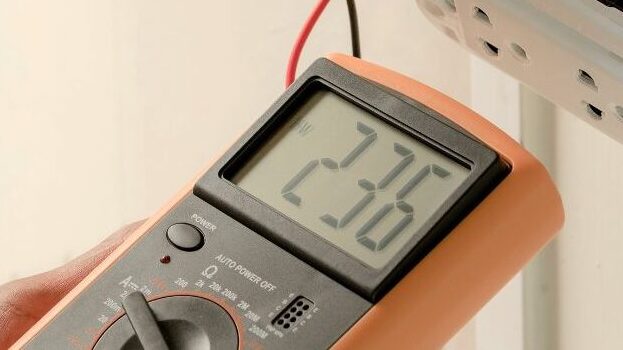
Use a Multimeter to Check Voltage
If the LED is dim due to low voltage, a multimeter will show it.
Testing the voltage at your LED fixture can tell you if your lights are getting the right amount of power. Compare the measured voltage to the recommended voltage for your LED lights.
If the voltage is lower than it should be for this light, this could explain the dimming.
If the voltage is always low, you might have a bigger electrical issue on your hands and it is time to call in an electrician to see why this light is being affected.
If voltage is low across multiple fittings, you likely have a larger wiring or switchboard issue.
Dimmer Switch Check
We get this call more than you’d believe:
“Why is my light dim?”
Us: “Do you have a dimmer switch?”
Them: “…oh.”
Check that a dimmer hasn’t been adjusted accidentally, or is incompatible with your LED model.
Test by Turning Off Other Appliances
Try turning off other stuff that’s on the same circuit as your LED lights. If your lights get brighter, you’re likely dealing with an overloaded circuit.
Consider the following:
- Redistributing devices
- Upgrading your switchboard
- Replacing cheap LEDs with higher-efficiency models
Swap the LED Bulb
If none of that works, your LED might just be on its last legs.
Try swapping it out with another LED from your house. If this bulb restores the full brightness, it means the old one was likely just ready for retirement.
So go ahead and get a new LED bulb.
However, if swapping bulbs didn’t fix it, it’s probably one of the other causes.
Bottom Line
So why did your LED light suddenly dim?
It could be:
- Voltage drop
- Loose connections
- Heat buildup
- Circuit overload
- Or the LED itself, especially if it’s a cheaper unit
With this guide, you now know what to check, and how to fix it.
But if you’re unsure or notice signs of damage, never take risks with electrical safety.
Let Electrx Help
We’re licensed electricians and Beacon Lighting’s recommended installer. We handle:
- LED testing and replacement
- Circuit diagnosis
- Overload and overheating issues
- Safe, long-lasting upgrades
If you’re not sure about anything electrical, it’s always best to call in an electrician such as Electrx Electricians – Get in touch with us today

LED Troubleshooting FAQs
Q: Why is my new LED bulb already dim?
A: It could be a voltage drop, bad wiring, or a low-quality LED with poor voltage regulation. Try swapping with a high-quality LED first.
Q: Do cheap LED lights go dim faster?
A: Yes. Budget LEDs often lack proper heat sinks and stable drivers, causing early lumen loss, flickering, and dimming, especially in hot or outdoor conditions.
Q: Why do my Christmas lights flicker and fade?
A: Seasonal LED string lights are often made with lower-grade parts. Weather exposure, overuse, and power surges can cause dimming. Always use outdoor-rated, certified lighting.
Q: Can I fix dimming LED lights myself?
A: You can troubleshoot by checking fittings, testing voltage, and replacing the bulb. But if the issue persists, especially in multiple fittings, call a licensed electrician.
What Others Are Reading:



Our Services
Get A Quote
Contact us today for all your electrical needs.