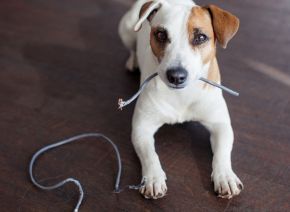
For Melbourne pet owners with dogs, cats or other curious animals, anyone wanting a clear, no-scare-tactic checklist of household electrical hazards that matter for pets.
The five highest-risk areas are chewable cords at floor level, outdoor garden electrics, pool pump equipment, Christmas/seasonal lighting, and pet-door cuts that hit hidden wiring. Working safety switches (RCDs) on every circuit are your single best safety net. Anything inside the switchboard or wall is licensed work in Victoria.
If you’ve got pets, you already know they get into everything. Behind the couch, under the deck, straight into whatever they’re not supposed to touch. And most of the time that’s fine, until electricity is involved.
The reality is, most homes have a handful of electrical hazards that are completely harmless to adults but genuinely dangerous for pets. Dogs chew things. Cats squeeze into tight spaces. And neither of them has any idea what a live wire is.
Here are five things worth checking around your home, and what to do about them.

1. Cords And Cables They Can Chew
Phone chargers and lamp cords at floor level are the highest risk, especially for puppies and kittens. Route cords behind furniture, unplug chargers when not in use, replace damaged cords immediately, and use bitter apple spray for persistent chewers.
This is the big one, especially with puppies and kittens. Phone chargers, lamp cords, TV cables, anything dangling or lying on the floor is fair game for a teething dog or a bored cat.
A chewed cord isn’t just a ruined charger. If they bite through to the live wire, it can cause burns to their mouth, electrical shock, or worse. And it can happen fast, they don’t need to chew through the whole thing.
What you can do:
- Run cords behind furniture or through cable covers so they’re out of reach
- Unplug chargers when you’re not using them (this saves power too)
- Keep an eye on any cord that sits at floor level, if it’s frayed or damaged, replace it
- If your pet is a serial chewer, bitter apple spray on cords can help, but it’s not a fix on its own
When to call an electrician: If you notice damaged cords near powerpoints, or if a powerpoint itself has scorch marks or feels warm, get it checked. That’s not a DIY job, a licensed electrician needs to look at the wiring behind the wall.
2. Outdoor Electrical Hazards
Outdoor garden lights with cracked housings, extension leads left in the rain, and outdoor powerpoints without weatherproof covers. Walk the yard and check fittings. Don’t use extension leads as permanent outdoor power, get a proper outdoor circuit installed.
Dogs spend a lot of time in the yard, and there’s more electrical gear out there than you might think. Garden lights, pond pumps, outdoor powerpoints, extension leads running to the shed, all of it is exposed to weather, dirt, and a curious dog’s nose.
The biggest risks outdoors are:
- Damaged garden lighting: low-voltage lights are generally safe, but mains-voltage garden lights with cracked housings or exposed wires are a real problem
- Extension leads left out: if it rains and water gets into the connection point, that’s a shock hazard for anyone walking through the yard, pets included
- Outdoor powerpoints without weatherproof covers: these need proper covers, especially if your dog likes to sniff around garden beds where they’re often installed
What you can do:
- Walk the yard and check any outdoor electrical fittings for damage, cracked covers, exposed wires, loose connections
- Don’t leave extension leads plugged in outside permanently. If you need permanent power in the shed or garden, get a proper outdoor circuit installed
- Make sure your outdoor powerpoints have weatherproof covers (the flip-up type)
When to call an electrician: Any permanent outdoor wiring, new powerpoint installation, or replacement of damaged outdoor fittings needs to be done by a licensed electrician. It’s a legal requirement in Victoria, and it’s there for a good reason, outdoor electrical work that’s done wrong is genuinely dangerous.
3. Pool Pumps And Equipment
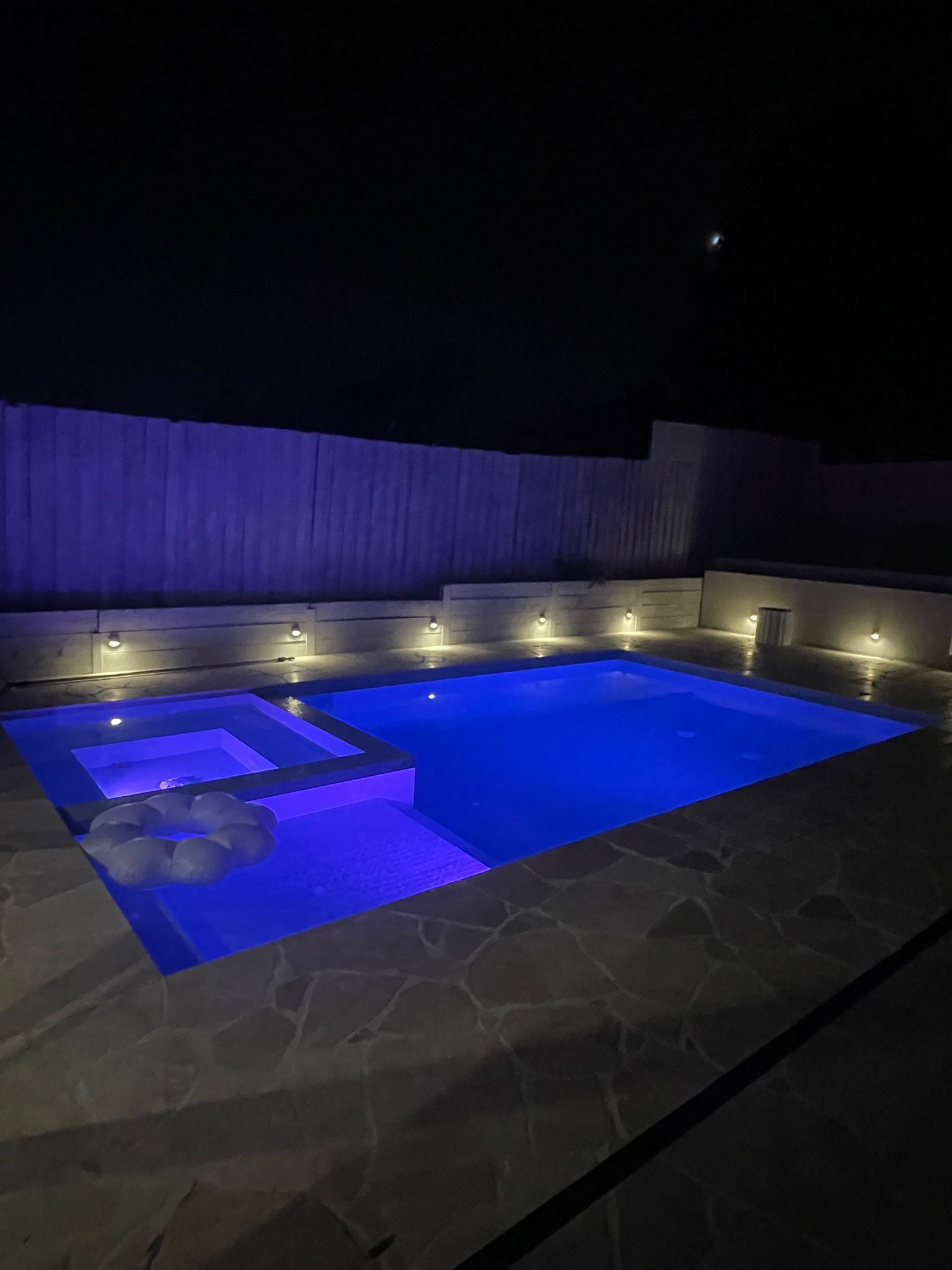
Pool pump electrics sit in a damp environment with chemicals. Corroded connections, cracked housings or deteriorating wiring become shock hazards, especially on wet ground around the pool. Make sure the pool pump circuit is on a safety switch.
If you’ve got a pool and a dog, this one’s worth paying attention to. Pool pump areas usually have a cluster of electrical equipment, the pump itself, the chlorinator, sometimes a heater, all sitting in a damp environment, often behind a fence your dog can get around.
The risk isn’t the dog jumping in the pool (that’s a different conversation). It’s the electrical connections around the pump equipment. If a connection is corroded, a housing is cracked, or the wiring is deteriorating from years of moisture and pool chemicals, there’s a real shock risk, especially on wet ground.
What you can do:
- Check the area around your pool equipment for any signs of damage, rust, corrosion, cracked housings, exposed wiring
- Keep the area fenced off if possible, even a small barrier can keep a dog away from the equipment
- Make sure the safety switch on your switchboard covers the pool pump circuit (not all older homes have this set up properly)
When to call an electrician: If anything around your pool equipment looks dodgy, corrosion, damage, wiring that’s seen better days, get a licensed electrician to inspect it. Pool electrical work has specific safety requirements and it’s not something to patch up yourself.
4. Christmas Lights And Seasonal Decorations
Cheap lights with brittle wiring are the worst. LEDs run cooler. Check insulation before putting lights up each year. Don’t daisy-chain extension leads outdoors. Indoor cords need to be out of reach of cats and dogs.
Every December, the house gets covered in lights, and every December, pets find new ways to get tangled in them. Cats climbing the Christmas tree and chewing on the light strings. Dogs pulling outdoor light displays off the fence. It’s predictable, and it’s a genuine hazard.
Cheap Christmas lights with thin, brittle wiring are the worst offenders. After a season or two in the sun, the insulation cracks and you’ve got exposed copper sitting right where your cat likes to bat at shiny things.
What you can do:
- Use LED Christmas lights, they run cooler and use less power, so even if something goes wrong, the risk is lower
- Check your lights before you put them up each year. If the insulation is cracked, the wires are frayed, or any globes are broken, chuck them
- Keep indoor light cords away from where pets can reach them, cable ties and hooks can keep them up off the floor
- Don’t daisy-chain multiple extension leads together to run outdoor Christmas lights. If you need more reach, use one properly rated outdoor extension lead
When to call an electrician: If you want outdoor Christmas lights done properly, with weatherproof connections, a dedicated circuit, and a timer, a licensed electrician can set that up so it’s safe every year. It also means you’re not running extension leads across the yard where the dog can trip on them.
5. Pet Doors Near Wiring And Heated Pet Beds
Before cutting a pet-door hole through a wall, get an electrician to check for hidden wiring. For heated pet beds, buy from reputable brands with Australian compliance marks, never leave them running unattended 24/7, and replace anything your pet has chewed.
This one catches people off guard. When a pet door gets installed, whether it’s through a wall, a door, or a window, whoever cuts the hole needs to know what’s behind it. Walls have wiring running through them, and cutting into a live cable is about as bad as it sounds.
And while we’re talking about pet-specific electrical gear: heated pet beds and heat mats are popular in winter, especially for older dogs with joint issues. Most of them are fine, but cheap ones with thin cords and no auto-shutoff are a chewing hazard and a fire risk.
What you can do:
- Before installing a pet door through a wall, get a licensed electrician to check for wiring in that section. A cable detector from Bunnings won’t always pick up everything
- If you use a heated pet bed, buy one from a reputable brand with Australian safety certification (look for the regulatory compliance mark)
- Check heated bed cords regularly for damage, if your pet chews it, replace the whole bed, don’t tape the cord
- Don’t leave heated pet beds running 24/7 unattended
When to call an electrician: If you’re cutting into a wall for a pet door and you’re not sure what’s behind it, get an electrician to check first. It takes ten minutes and it could save you from cutting into a live cable. And if you’ve already installed one and noticed flickering lights or a tripped safety switch nearby, get it inspected.
A Quick Note On Safety Switches
This applies to all five points above. A safety switch (RCD) on your switchboard is the single best protection for your whole household, pets included. If something goes wrong, a chewed cord, a fault in the pool pump, water in an outdoor powerpoint, the safety switch cuts the power in milliseconds.
If your home doesn’t have safety switches on all circuits, or if you’re not sure, that’s worth getting checked. It’s a straightforward job for a licensed electrician and it’s the best money you’ll spend on electrical safety. See our switchboard upgrade page.
You can verify a Melbourne electrician’s licence on the Energy Safe Victoria public register before booking.
Frequently Asked Questions
Can a pet get electrocuted from chewing a phone charger cord?
Yes, they can. Phone charger cords carry enough current to cause burns to a pet’s mouth or tongue, and in serious cases, electrical shock. The lower voltage doesn’t mean it’s safe, it just means the injury might be less severe than a mains-voltage cord. Unplug chargers when you’re not using them, and keep cords off the floor.
How do I know if my home has safety switches?
Check your switchboard. Safety switches (RCDs) usually have a “test” button on them, they look different from standard circuit breakers. If you’re not sure what you’re looking at, a licensed electrician can check your switchboard and tell you exactly what’s covered and what isn’t.
Are heated pet beds safe to leave on overnight?
It depends on the product. A good-quality heated pet bed from a reputable brand with Australian safety certification, an auto-shutoff, and a chew-resistant cord is generally fine. Cheap imports without proper safety features are a different story. Check the cord regularly for damage.
What should I do if my pet chews through an electrical cord?
First, don’t touch the cord or your pet until you’ve switched off the power at the switchboard or unplugged the cord at the powerpoint. Check your pet for burns around their mouth or signs of distress and get them to a vet. Then check the cord and the powerpoint, if there’s any damage to the powerpoint or scorch marks, call a licensed electrician before using it again.
Do I really need an electrician to install an outdoor powerpoint?
Yes. In Victoria, all electrical work must be carried out by a licensed electrician, that includes installing new powerpoints, running new circuits, and replacing damaged fittings. It’s not a suggestion, it’s the law. Outdoor electrical work in particular needs to be done correctly because of the exposure to moisture and weather. DIY electrical work is illegal, uninsured, and dangerous.
Is low-voltage garden lighting safe for pets?
Low-voltage garden lighting (12V systems) is much safer than mains-voltage options, and a bite or a dig is far less likely to cause serious injury. That said, damaged fittings with exposed connections can still cause a shock, especially on wet ground. Check your garden lights regularly and replace any with cracked housings or damaged wiring.
When This Article Isn’t For You
- You’re outside metro Melbourne. We cover inner-west and central Melbourne suburbs, different city, different electrician.
- You want to do the electrical work yourself. DIY mains-voltage work is illegal in Victoria.
- You’re after a one-off cheap callout with no inspection. We’re licensed, insured, and we don’t shortcut safety.
Need A Hand?
If anything in this article made you think “I should probably get that checked,” give us a call. We can inspect your home’s electrical setup, make sure your safety switches are doing their job, and sort out any hazards, so your pets (and everyone else) stay safe.
All electrical work in Victoria must be carried out by a licensed electrician.


Our Services
Get A Quote
Contact us today for all your electrical needs.