Body Protected Electricians for Medical & Dental Clinics Melbourne
Electrx works regularly with GP clinics, dental surgeries, specialist suites, and allied health practices across Melbourne
Book in For A Quote!
Ask About Our
Switchboard Health Checks

Allied Health Electrical Installations
Clinical electrical work is not standard commercial work. The Australian standard that governs electrical installations in patient areas. AS/NZS 3003, has requirements that most commercial electricians have never dealt with and getting it wrong in a medical or dental environment creates liability, fails compliance audits, and in the worst cases poses a genuine risk to patient safety.
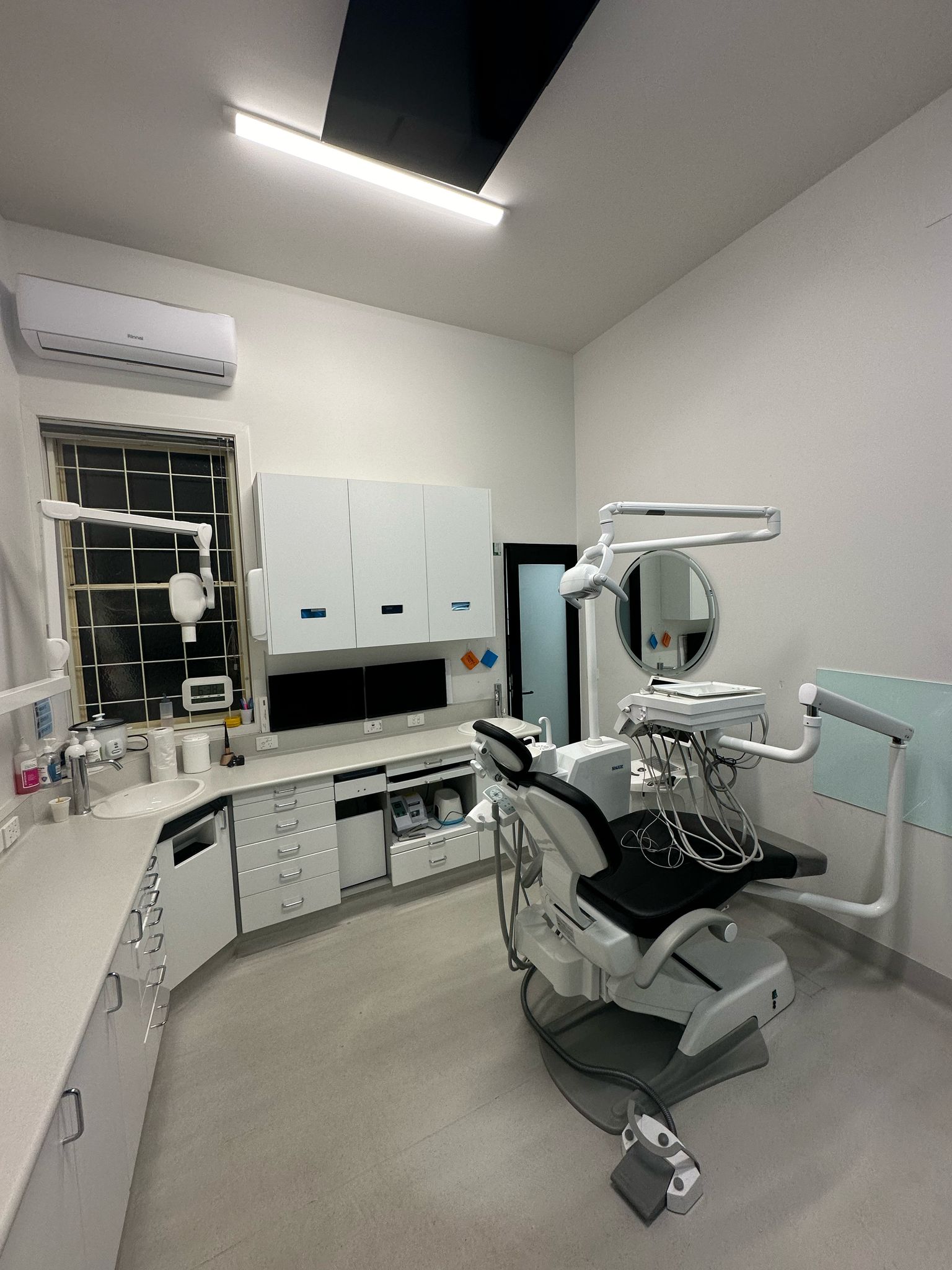
Electrx works regularly with GP clinics, dental surgeries, specialist suites, and allied health practices across Melbourne and we install and certify AS/NZS 3003 compliant electrical systems, and we understand what practice owners and fitout builders actually need: clear scoping, work that doesn’t disrupt your clinic, and documentation you can rely on.

Why Choose Us As Your Electricians




What We Install in Clinical Environments
Our team of qualified and skilled electricians use an experience-derived attention to detail throughout all aspects of a project.
We also account for complex technological installations often involved in clinic construction or renovation.
The skills we bring to each job.
Read more about what dental electricians can do.
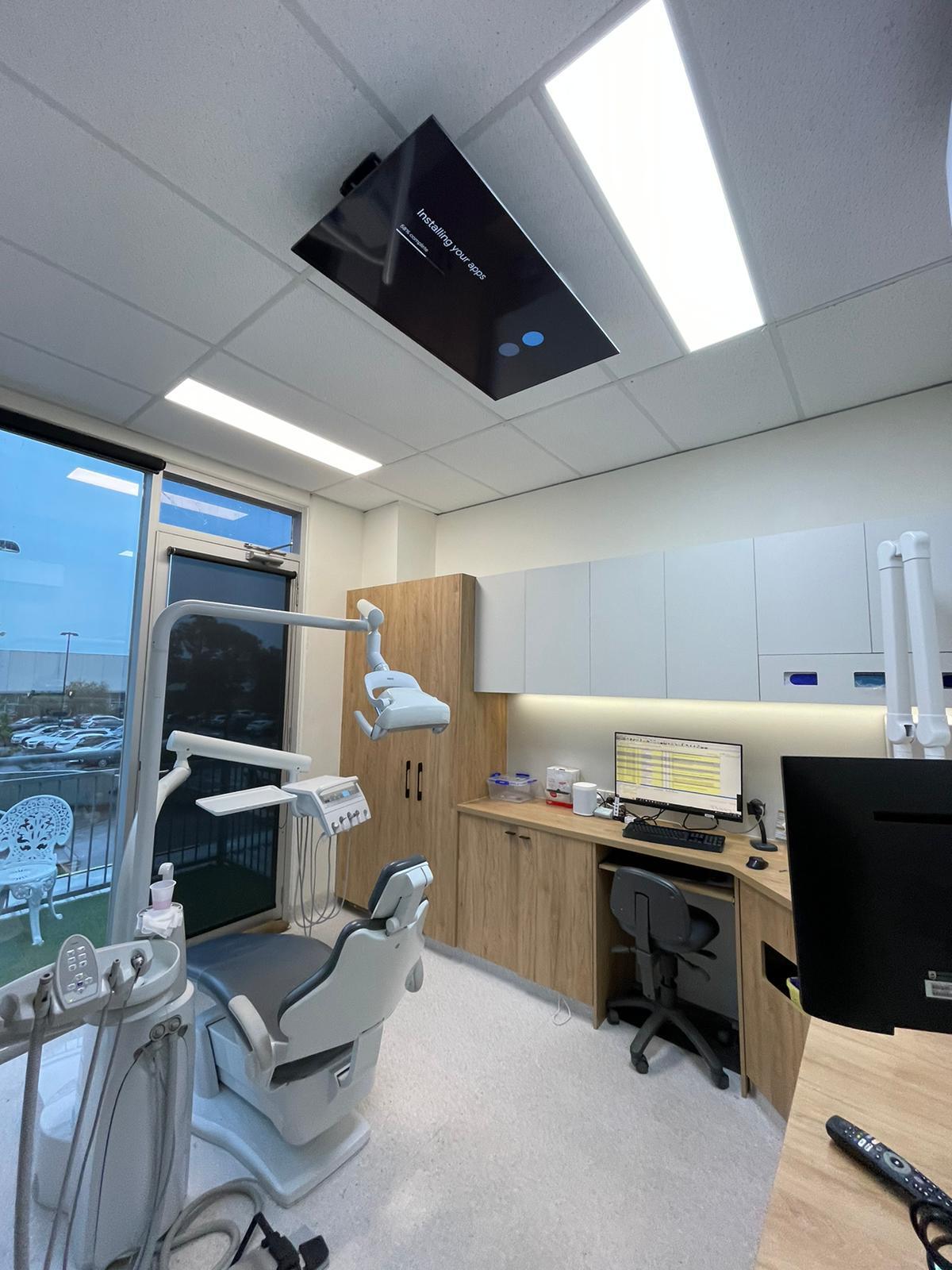
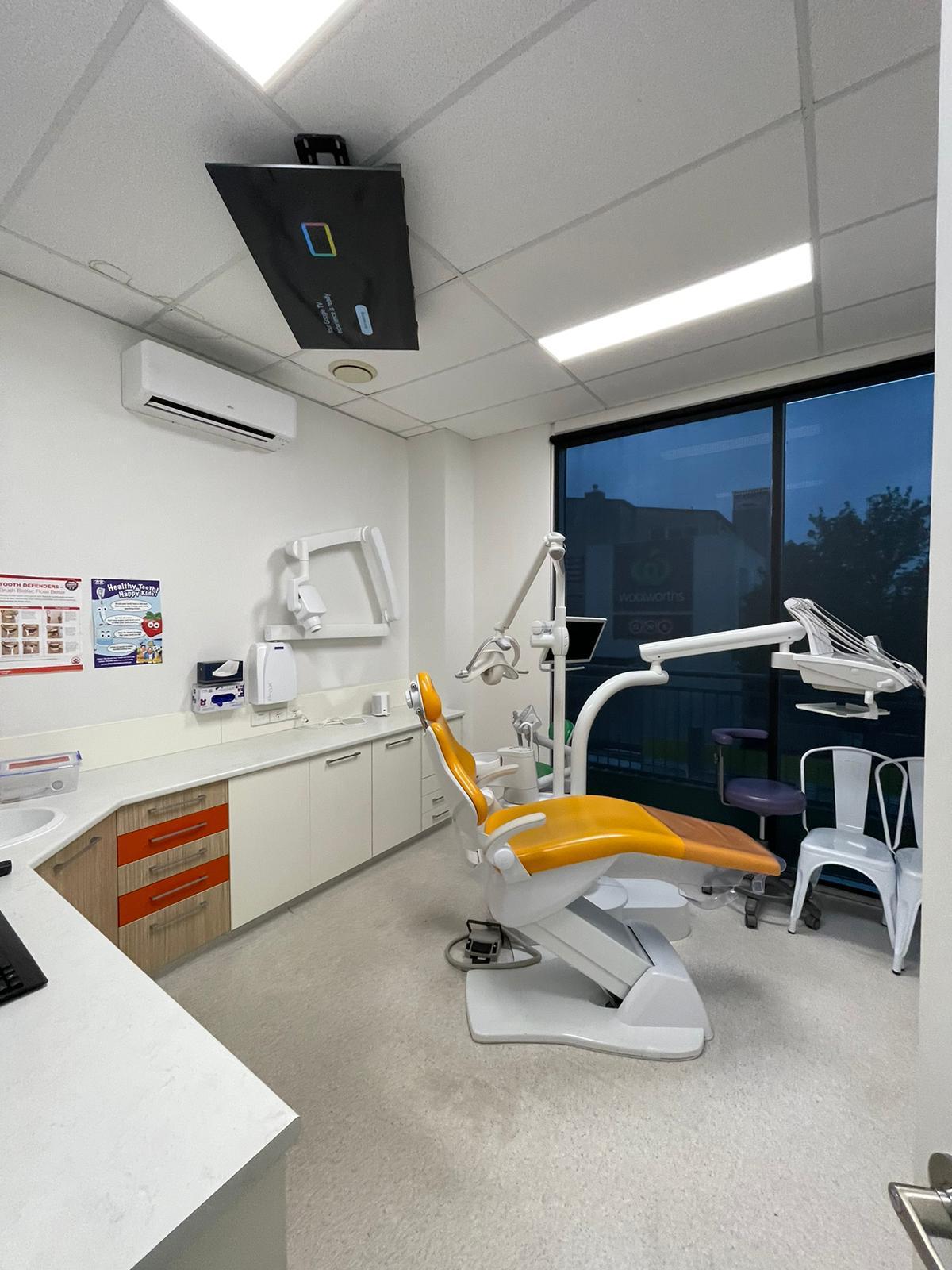
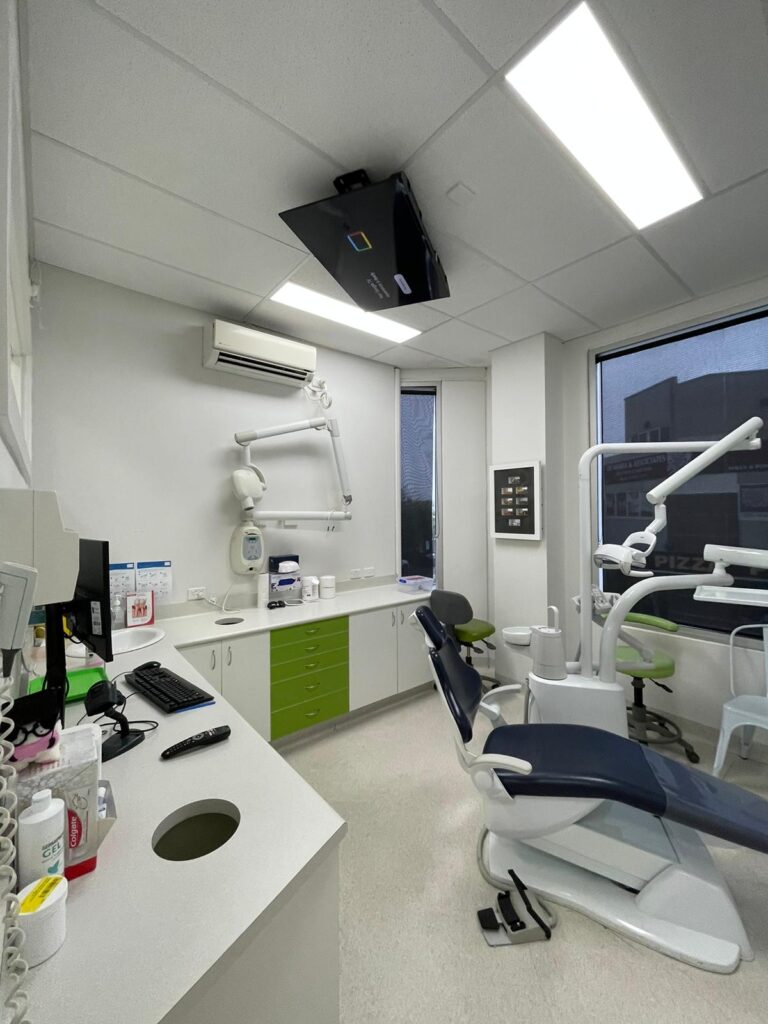
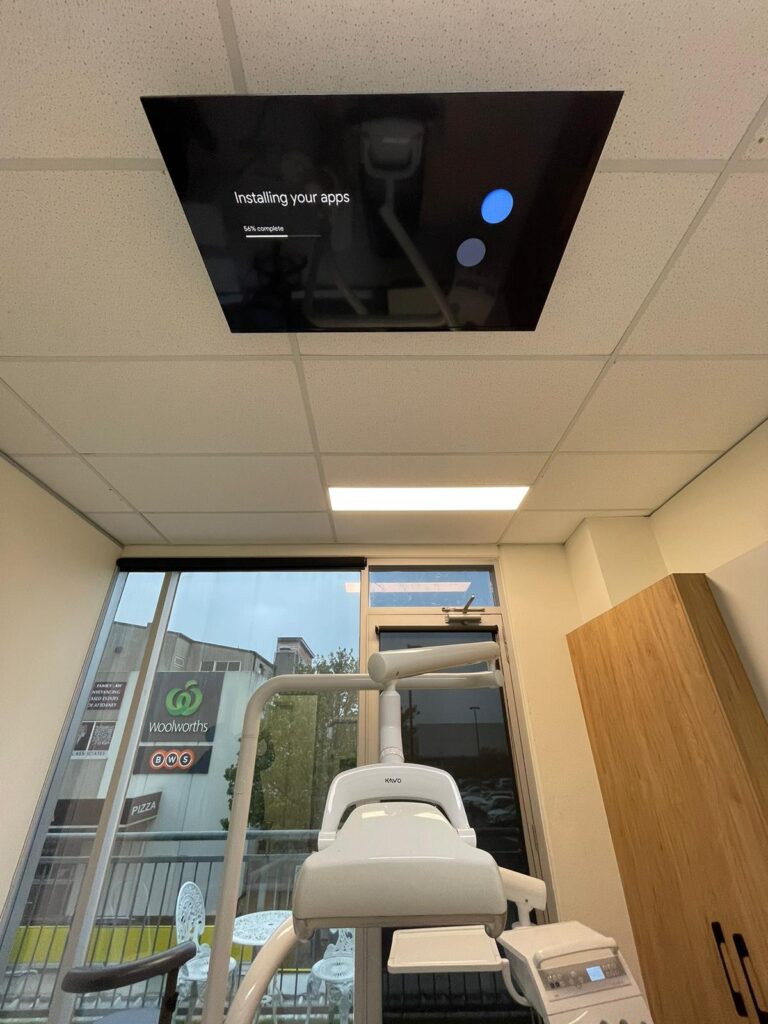
See our recent work at this Whittlesee Dental Practice
GET A FAST CALL BACK
GET AN ELECTRICIAN TODAY
What AS/NZS 3003 Actually Requires
Most electricians can wire a room. Clinical compliance is a different matter. AS/NZS 3003:2018, the standard for electrical installations in patient areas, specifies requirements that go well beyond a standard commercial fitout.
In practice, compliance involves:
- Type 1 RCDs (10mA) in patient areas: standard 30mA safety switches are not adequate in body-protected zones where a patient may be connected to equipment. The 10mA threshold is significantly more sensitive and requires deliberate circuit design to avoid nuisance tripping from medical equipment.
- Equipotential bonding: all conductive surfaces within reach of a patient in a treatment room (including dental chair metalwork, instrument trays, and exposed plumbing) must be bonded to a common reference point to prevent potential differences that could cause microshock.
- Isolated power supply (IPS) systems: required in cardiac-protected environments such as operating theatres and some procedure rooms. An IPS allows a fault on one piece of equipment to be flagged without tripping the circuit, keeping the environment live while the fault is investigated.
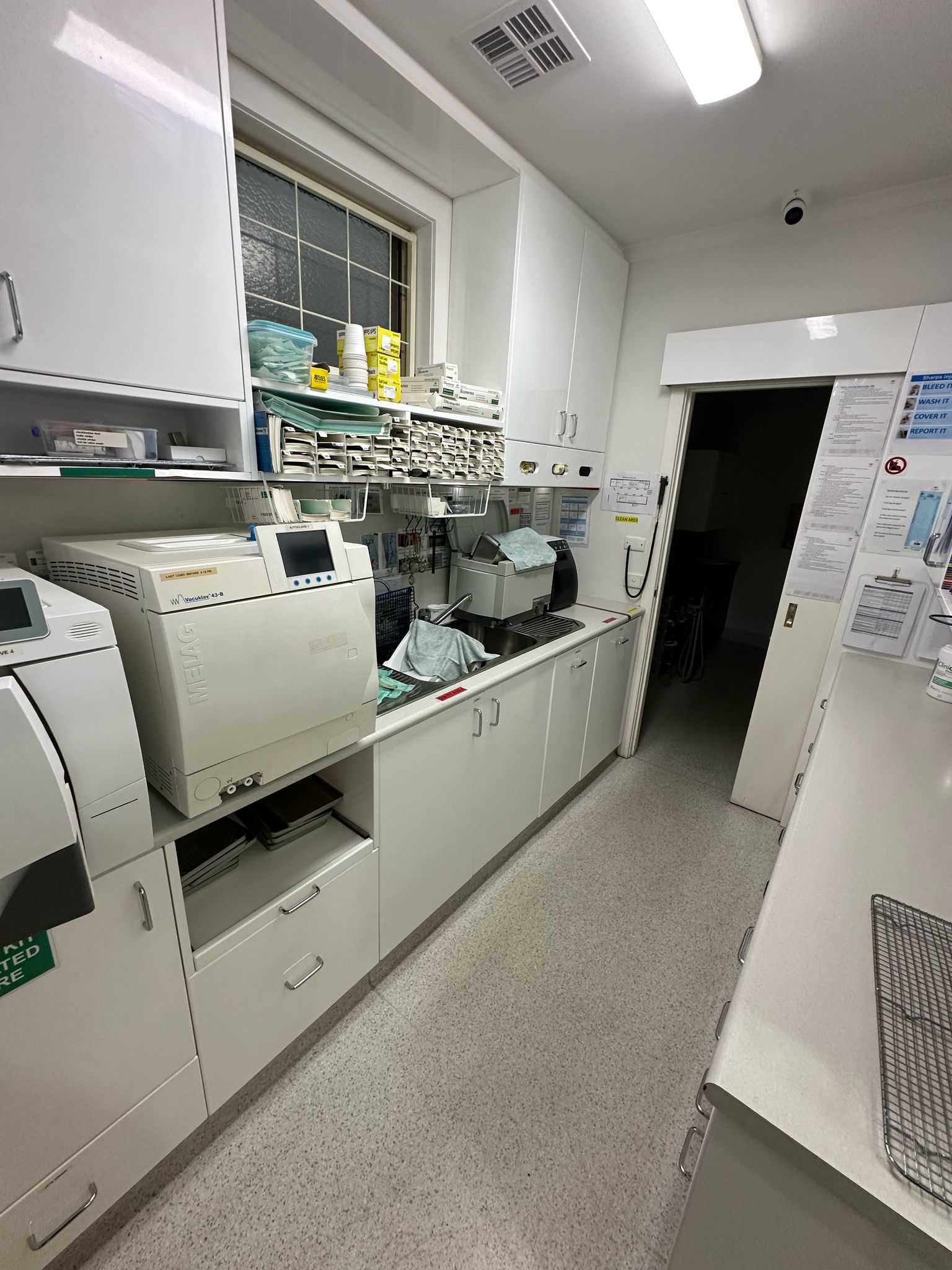
- Dedicated circuits for clinical equipment: equipment like autoclave sterilisers, dental X-ray units, CBCT scanners, and chair-mounted delivery units requires dedicated circuits, not shared GPOs. Circuit sizing must account for startup loads and continuous draw.
Verification and certification
AS/NZS 3003 compliant installations require formal testing and a certificate of compliance before the space can be used clinically. This documentation is required by regulators, landlords, and insurers.
If your clinic is operating in a space that hasn’t had a formal AS/NZS 3003 assessment, or if you’re planning a fitout and the electrician hasn’t mentioned any of the above, it’s worth having a conversation with us before you go further.
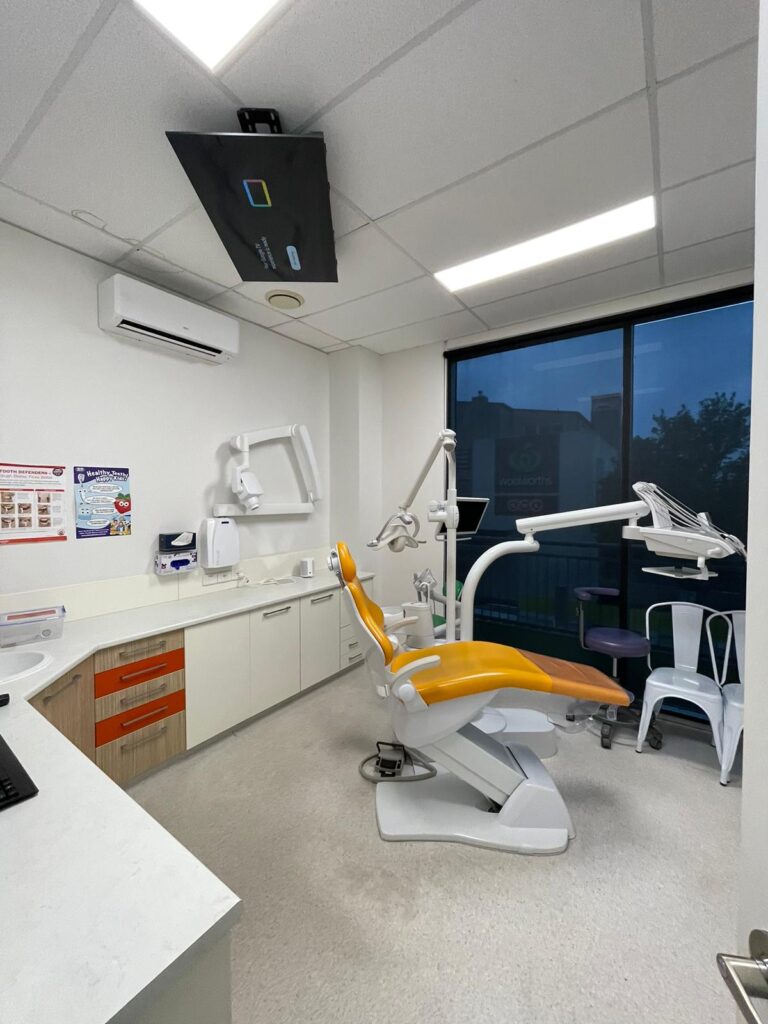
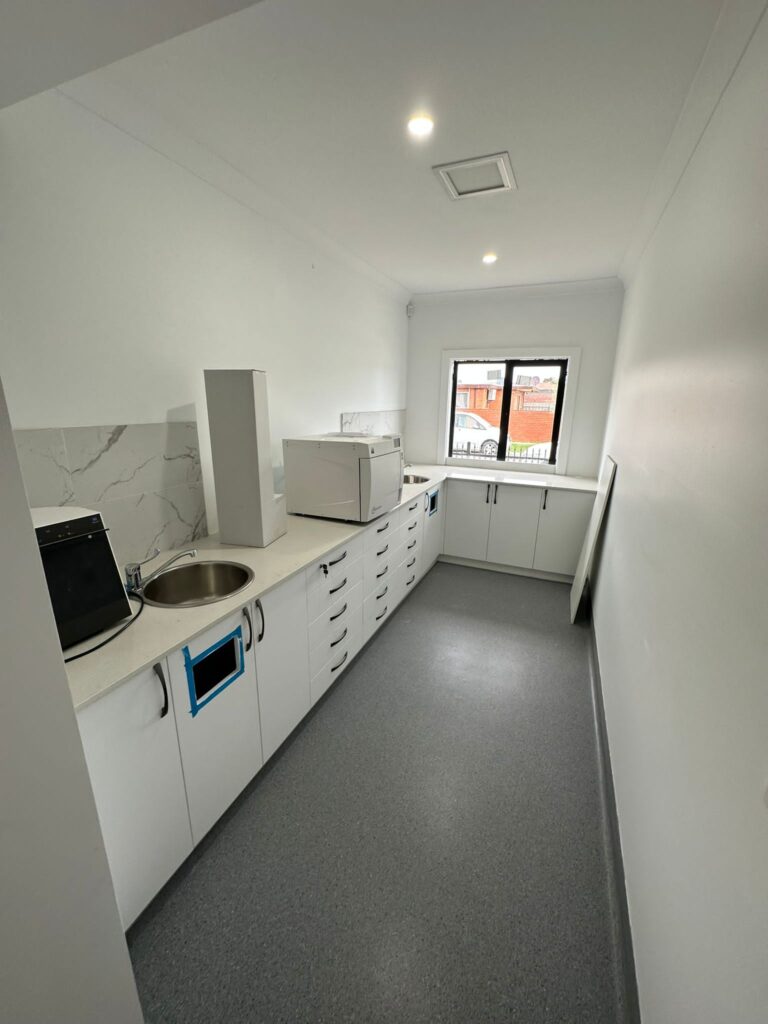
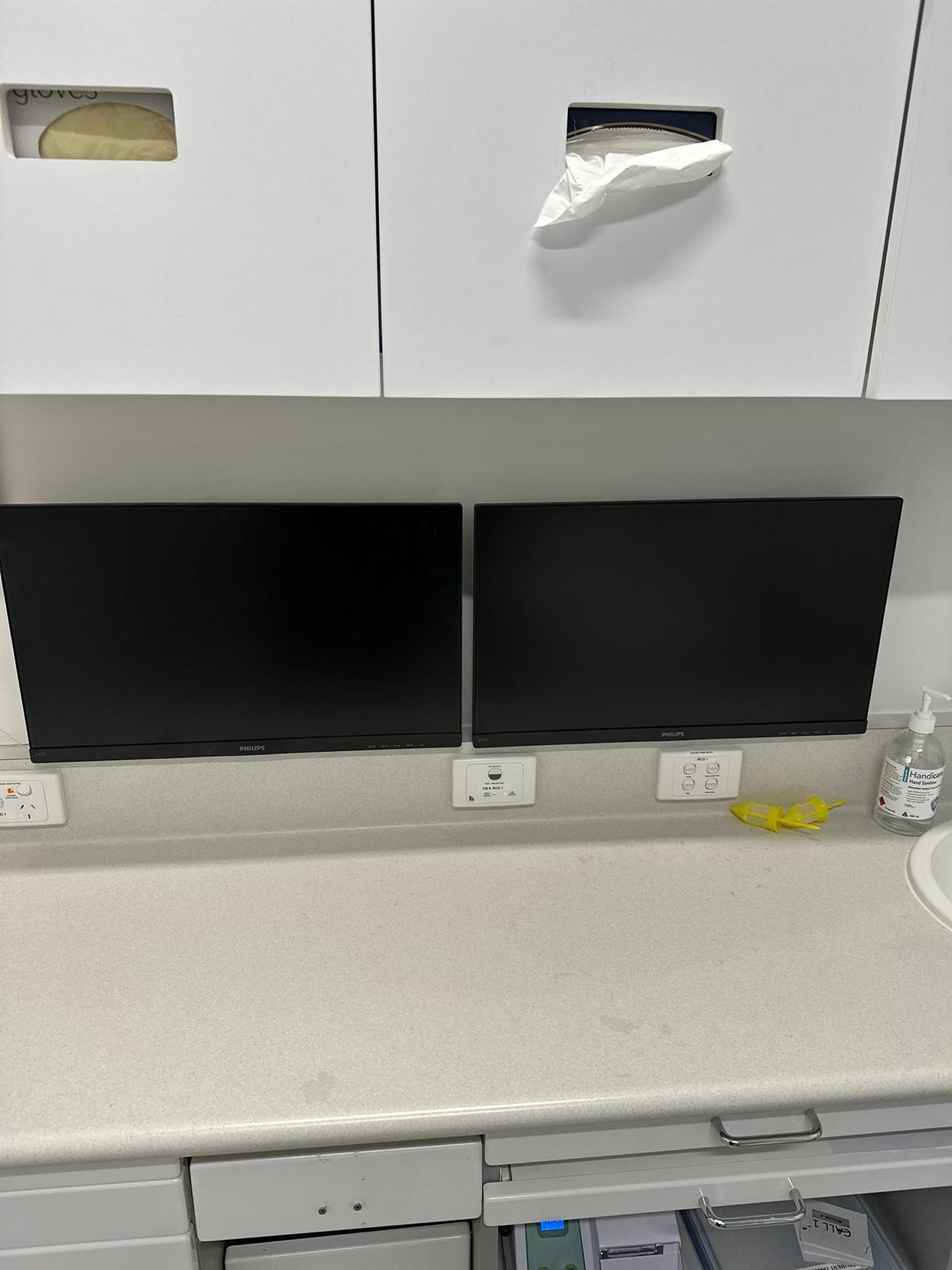
Some Of The Recent Medical and Dental Work Completed
Allied Health Electrical FAQ’s
Ready to Book An Electrician?
Every client matters to us, and we look forward to helping you with any electrical work